is bleached flour gluten free Flour bleached bleach does unbleached same results
Today, let’s talk about a topic that may seem mundane but is actually quite interesting: flour. Specifically, we’ll explore the difference between bleached and unbleached flour. Many of us may have come across these terms while baking or cooking, but do we truly understand what sets them apart? Let’s dig deeper into this fascinating subject!
The Bleaching Process
When it comes to white flour, two primary types dominate the market: bleached and unbleached. Bleached flour, as the name suggests, undergoes a process known as bleaching. This process involves the use of chemicals, such as chlorine or benzoyl peroxide, to whiten the flour and improve its texture. The bleaching process also helps in speeding up the flour’s aging process, making it more suitable for baking.

On the other hand, unbleached flour is flour that hasn’t been chemically treated to alter its appearance. It relies solely on natural aging to achieve its desirable properties. Unbleached flour retains its natural creamy color and tends to have a coarser texture compared to its bleached counterpart.
The Impact on Baking
Now, you might wonder how these two types of flour affect your baking. The primary difference lies in the final texture and color of the baked goods. Bleached flour often results in baked goods that are lighter in color and have a softer, more delicate texture. It is commonly preferred in recipes that require a tender crumb, such as cakes, pastries, and cookies.

On the other hand, unbleached flour is often favored for recipes that benefit from a chewier texture or a more substantial structure. It is commonly used in recipes for bread, pizza dough, and other yeast-based baked goods. Unbleached flour tends to produce slightly denser finished products, which can be desirable in certain baking applications.
Personal Preference and Nutrition
Ultimately, the choice between bleached and unbleached flour comes down to personal preference and the desired outcome of your baked goods. Some bakers prefer the versatility and reliable results that bleached flour offers, while others appreciate the more rustic and hearty qualities of unbleached flour.
In terms of nutrition, there is little significant difference between the two types of flour. Both bleached and unbleached flour are primarily composed of carbohydrates, with similar protein content. However, some argue that unbleached flour may retain slightly more nutrients since it undergoes fewer processing steps.
To sum it up, whether you choose bleached or unbleached flour depends on the specific requirements of your recipe and your personal baking preferences. Experimenting with both types can help you determine which one aligns best with your desired outcomes.
So, the next time you embark on a baking adventure, take a moment to consider whether bleached or unbleached flour is the right choice for your recipe. Remember, the flour you select can greatly impact the final result, so choose wisely and happy baking!
If you are looking for Bleach, What Does it Have to Do With Flour? you’ve came to the right page. We have 5 Pics about Bleach, What Does it Have to Do With Flour? like Should You Use Bleached Or Unbleached Flour For Cookies? - Cake Decorist, Bleach, What Does it Have to Do With Flour? and also Bleached White Flour | dreamhawk.com. Here it is:
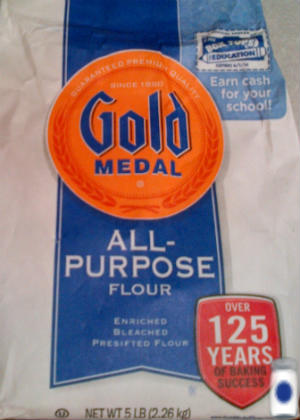
Bleach, What Does It Have To Do With Flour?
 pantryparatus.comflour bleached bleach does unbleached same results
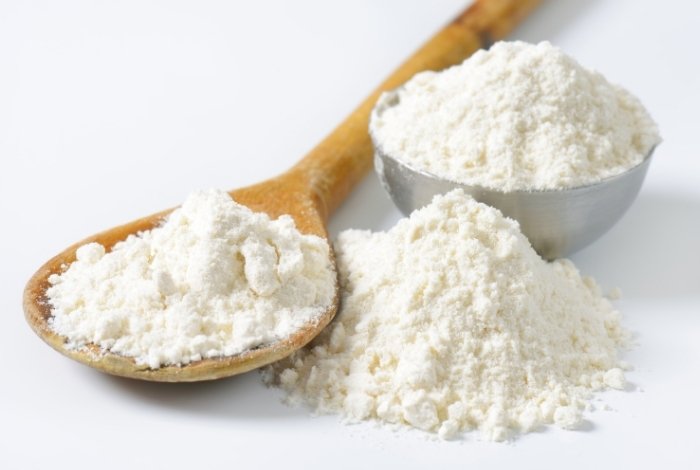
Should You Use Bleached Or Unbleached Flour For Cookies? - Cake Decorist
 cakedecorist.combleached unbleached
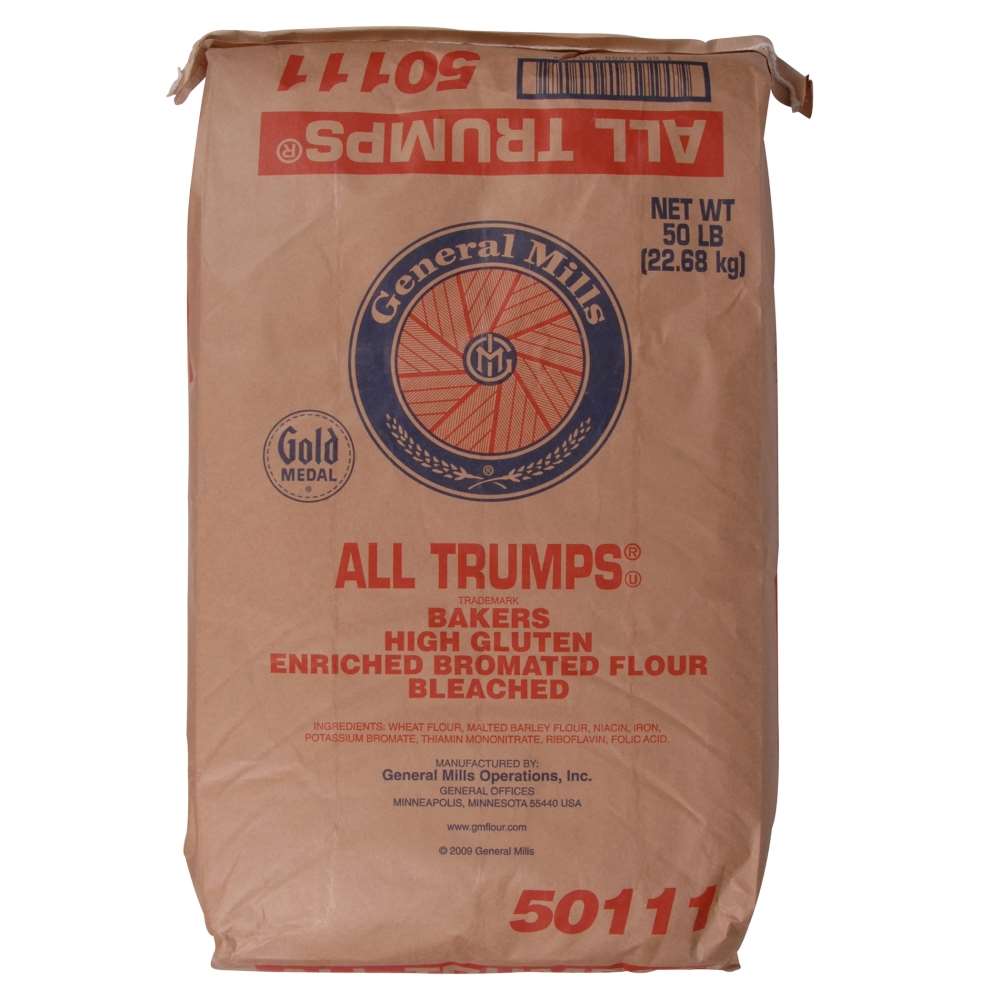
General Mills High-Gluten Bleached Flour 50 Lb Bag 1/Bag-Cartnut.com
 www.cartnut.commills bleached cartnut
What’s The Difference Between Bleached And Unbleached Flour
www.pinterest.comunbleached
Bleached White Flour | Dreamhawk.com
dreamhawk.comflour bleached dreamhawk maturing agent
Flour bleached bleach does unbleached same results. Mills bleached cartnut. General mills high-gluten bleached flour 50 lb bag 1/bag-cartnut.com